University education in Japan
A language-school year is the normal entry route into a Japanese degree, and MEXT and JASSO scholarships are open to international students once you are in.

Japanese Language Centre
N5 and N4 from absolute beginner, JLPT / NAT / JFT preparation, and the study, SSW, and TITP routes that follow — small batches, Japan-experienced trainers, and a hybrid schedule that works around a job.

WHY JAPAN
The language is the gate. These are the six things it opens.
A language-school year is the normal entry route into a Japanese degree, and MEXT and JASSO scholarships are open to international students once you are in.
The long-term work route: a renewable status in 16 sectors, and on the SSW ii track, the possibility of bringing family with you.
Paid, hands-on training inside a Japanese company, and the usual first step for candidates without a degree behind them.
Entry-level monthly pay in Japan runs several times the Bangladesh average, before overtime — which is why the course fee pays itself back fast.
Japanese plus a certified skill is read the same way everywhere: Toyota, Honda, Sony, and Mitsubishi all recruit from the same pool you would be joining.
Discipline, punctuality, honesty, and respect are taught alongside the grammar, because interviews and workplaces both test for them.
COURSES
Fees are all-in — no registration charge on top.
Beginner Japanese language course.
What’s Included:
Intermediate Japanese language course.
What’s Included:
Combined beginner-to-intermediate track.
What’s Included:
LEVELS
Five JLPT levels exist. Two are running here now — the rest are planned.
N5
Beginner
Running
N4
Elementary
Running
N3
Intermediate
Planned
N2
Upper intermediate
Planned
N1
Advanced
Planned
N5
Foundation level
¥150,000+ / month
N4
Practical level
¥200,000+ / month
Indicative starting pay only — actual earnings depend on the company, overtime, sector, and the rules in force when you go.
EXAMS
Three different certificates for three different plans. We pick the one your route actually needs.
Japanese Language Proficiency Test
Twice a year — July and December
The internationally recognised certificate, accepted for study, SSW, and formal employment.
Who sits it: Anyone planning a degree, a long-term career, or residence in Japan.
Nihongo Achievement Test
Six times a year
Same pattern as JLPT, held far more often — useful when a school intake will not wait.
Who sits it: Students who need a certificate before the next JLPT sitting.
JFT-Basic (Japan Foundation Test)
Computer-based, frequent sittings
The government-approved basic-Japanese test that satisfies the SSW language requirement.
Who sits it: Candidates going to Japan on the SSW work pathway.
CLASS SYSTEM
Pick a time that fits your week. If none of them do, the hybrid track exists for exactly that.
Morning batch
10:00 AM – 12:00 PM
Afternoon batch
2:00 PM – 4:00 PM
Evening batch
5:00 PM – 7:00 PM
Two live online classes a week plus a Friday classroom session — enough contact hours to keep pace, without a daily commute.
Class 1
Online, live with the batch
Class 2
Online, live with the batch
Friday
Classroom group practice
Built for
WHAT YOU GET
Twelve things every batch gets, whichever level you join at.
A single ladder from your first hiragana to N4 workplace conversation.
Hiragana, katakana, and kanji written by hand until they stick.
Native audio and real conversation speed, not textbook dictation.
Pair drills and conversation sessions in every class.
The full N5 and N4 syllabus, taught in the order the exams use it.
Past-paper practice under exam timing for the July and December sittings.
Both alternative routes covered, including the JFT computer-based format.
Taught by people who have studied or worked there, not only read about it.
A graded checkpoint every month, so nobody discovers a gap at the exam.
Books, worksheets, and audio included in the course fee.
Small enough that every student speaks in every class.
School and employer interviews rehearsed before the real one.

Begin at absolute beginner level — hiragana, katakana, and your first words.
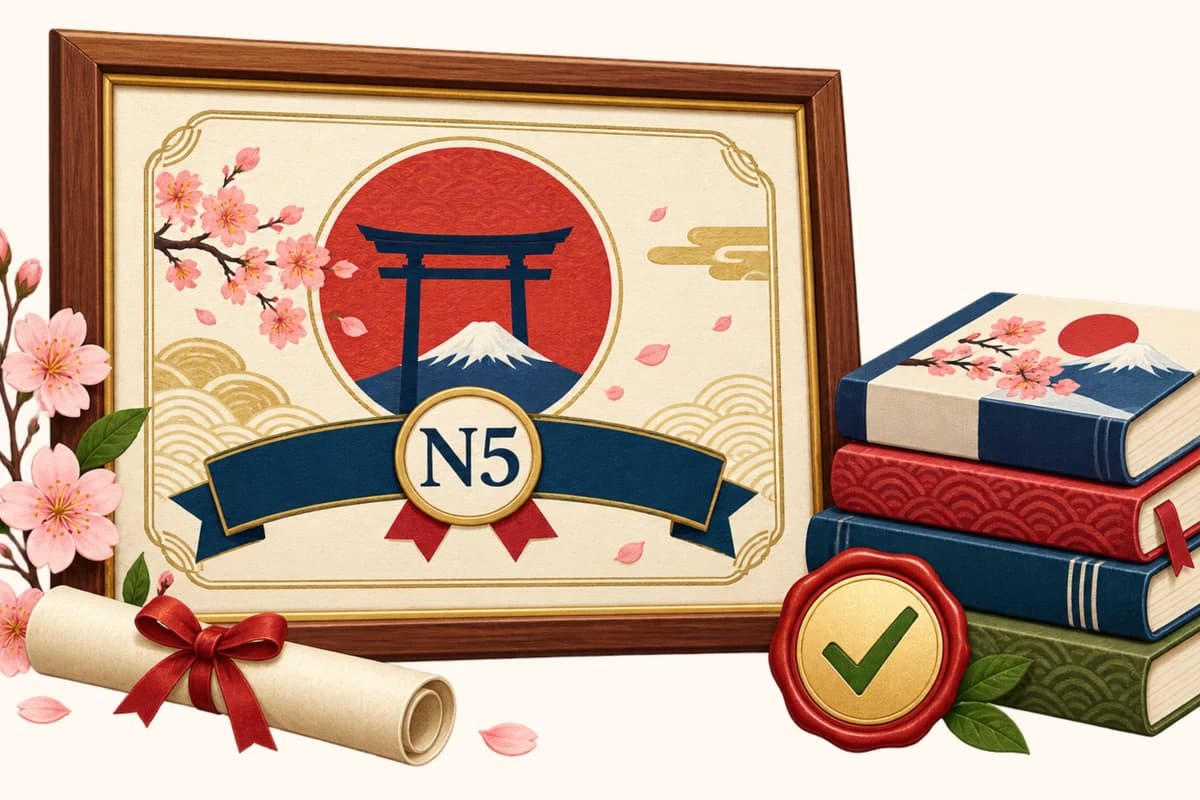
Lock in the foundation and sit the N5 exam with confidence.

Push your level as far as your study or work goal actually requires.

JLPT, NAT, or JFT — whichever exam your study or work pathway needs.

Language school first, then a bachelor's or master's — with part-time work allowed alongside your studies.

An SSW or TITP placement, matched to your skill test result and your sector experience.
Language school first, then a bachelor's or master's — with part-time work allowed alongside your studies.
An SSW or TITP placement, matched to your skill test result and your sector experience.

Documents, school or employer selection, and profile preparation done properly.

Mock rounds until you can answer in Japanese without freezing.

Selection, documentation, then the Certificate of Eligibility issued in Japan.

Visa application, pre-departure briefing, and your flight to Japan.
AFTER THE EXAM
Selection is an interview, not a certificate. This is the part most candidates lose on.
Interview-prep course
৳3,000
Open to students who have finished JLPT, NAT, or JFT. Starts with a free mock interview, so you find out whether you need it before you pay for it.
A free mock interview, online or in the office
An honest assessment of how it went
A readiness call — ready now, or more practice first
Extra sessions on whatever the mock exposed
Final rehearsal against the actual company format
Sectors we prepare candidates for
Terms differ by company — these are the common ones, not a guarantee.
END TO END
The language class is one line on this list. The other nine are why students stay with us after it.
OUR NETWORK
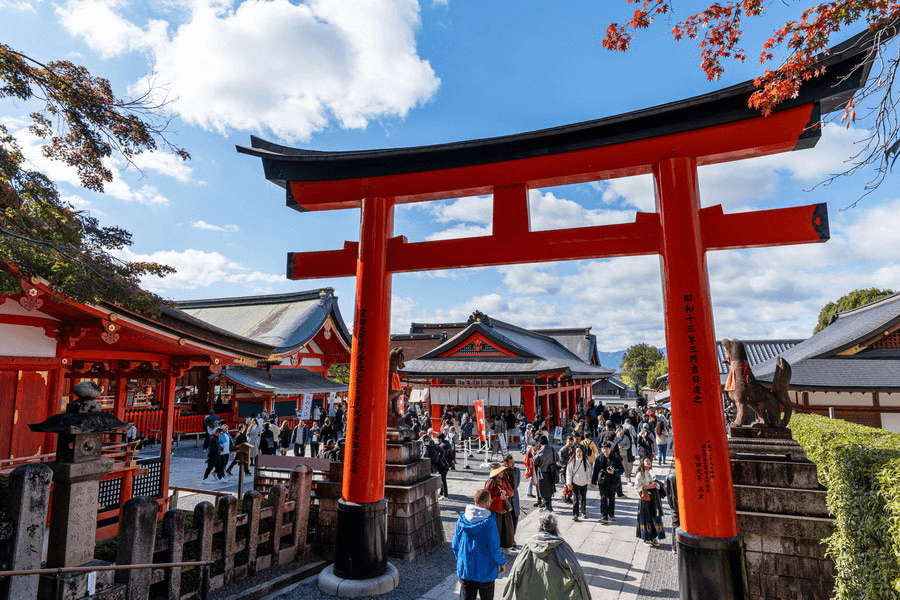
Seven schools we place students into, across Tokyo, Osaka, Kyoto, Nagoya, and Aichi.
GOT QUESTIONS?
No. The N5 course begins at absolute zero — hiragana and katakana in the first weeks, then grammar and vocabulary from there.
N5 and N4 are three months each; the N5 + N4 combo runs six months and costs less than the two bought separately. Current fees are on the course cards above, and there is no registration fee on top.
Three classes a week, two hours per class, in the morning, afternoon, or evening batch.
Two of the three weekly classes run live online and the Friday session is in the classroom for group practice — so working students and students outside Dhaka can keep up without moving.
Yes. Hybrid students attend the online classes from anywhere and come in for the Friday practice session as often as they can manage.
JLPT if you have time and want the most widely recognised certificate; NAT if a school intake will not wait for the next JLPT; JFT-Basic if you are going on the SSW work route. We decide it with you once we see your level and your deadline.
The language requirement is met with JFT-Basic or JLPT N4, plus the skill test for your sector. N4 is the level we aim students at for this route.
TITP is technical intern training inside a Japanese company. N5 is usually enough to apply, which is why many candidates start there and continue studying after selection.
Entry-level pay commonly starts around ¥150,000 a month at N5 level and ¥200,000 at N4, before overtime. It varies by company, sector, and the rules in force — treat those as indicative, not promised.
No, but it is strongly recommended if a school or employer will interview you. It is ৳3,000 and starts with a free mock interview, so you know whether you need it before you pay.
Agriculture, caregiving, automobile, construction, electrical, plumbing, tiling, welding, painting, food packaging, restaurants, driving, and IT.
Yes — document preparation and verification, COE follow-up, the visa application itself, and the embassy interview drills before it.
The centre has none. Individual schools and employers set their own limits, so we check yours against the route before you commit.
N5 and N4 are running now. N3, N2, and N1 are planned — ask us for the current status.

With nexoria
Learning the language is the first step of the route — and the only one you can take today.